
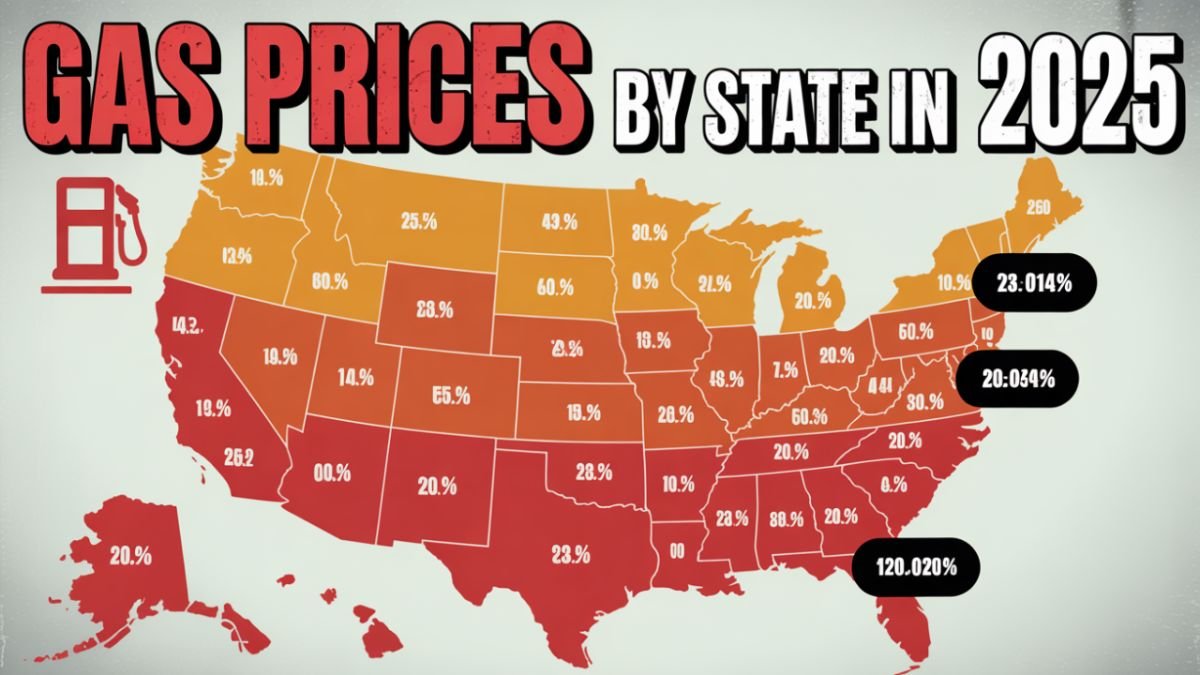
Towards the end of 2025, gasoline prices in the United States are showing significant variations by state. While national average prices remain relatively stable, this state-by-state disparity highlights the impact of taxes, supply chains, transportation costs, and local refining capacity on fuel prices. According to data from AAA and SmartAsset, the average price of regular gasoline varies in each state, reflecting the influence of state policies, geography, and weather patterns.
Gas Is Most Expensive on the West Coast
West Coast states have historically been known for expensive fuel, and this trend continues in 2025. California leads the way, with an average gas price of $4.59 per gallon. The main reasons for these high prices include
- High state fuel taxes and fees
- Strict environmental regulations
- Additional costs in refining and distribution
Hawaii and Washington follow, with prices remaining above $4 per gallon. Hawaii’s high gas prices are primarily due to its geographical isolation and limited refining capacity, while in Washington, environmental regulations and transportation costs drive up prices.

Top 5 Most Expensive States (2025)
- California – $4.59
- Hawaii – $4.44
- Washington – $4.19
- Oregon – $3.82
- Nevada – $3.78
Sharp Price Increases in Northwestern States
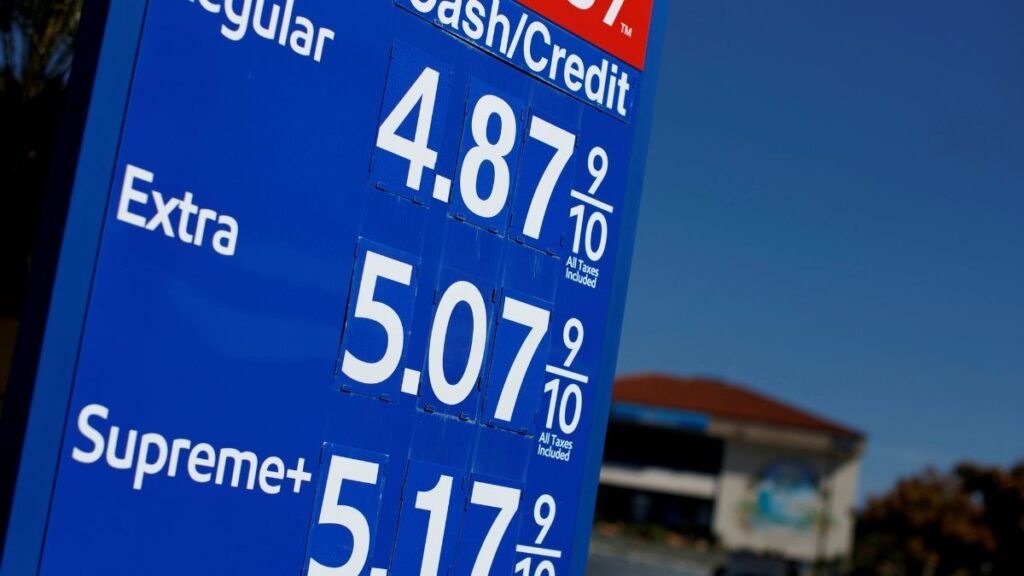
Oregon, Alaska, and Idaho have seen the sharpest increases in gas prices compared to the previous year. Oregon’s price is now $3.82 per gallon, reflecting increased supply costs and fuel inventory shortages. In Alaska and Idaho, prices have risen due to transportation limitations, seasonal demand, and limited refining capacity. These states experience higher gas consumption during the winter months, putting pressure on supply and driving up prices. Relief in Southern and Mountain West States
Meanwhile, several Southern and Mountain West states have seen a slight decrease in gas prices. Oklahoma is now the cheapest state in the country, with an average price of $2.50 per gallon. Mississippi and Louisiana follow closely behind. The main reasons for these lower prices in these states are:
- Lower state taxes and fees
- Sufficient refining infrastructure
- Reduced transportation costs due to shorter distances
Local refining capacity and improved supply chains in these states have kept prices in check, providing economic relief to drivers.
National Average and Comparison
The average price across all US states is approximately $3.04 per gallon. This means most Americans are spending around this average, but regional differences are significant. Those on the West Coast may be paying up to 50% more than the average, while those in the South and Mountain West can take advantage of cheaper options.
Why the Differences Between States?
The difference in gas prices between states depends on several factors:
- State taxes and fees: States with higher taxes have higher gas prices.
- Geographic location: Remote or isolated states incur higher transportation costs.
- Refining capacity: States with limited refining facilities tend to have higher prices.
- Seasonal demand and supply: Increased demand during winter or holidays drives prices up.
- Environmental regulations and policies: Some states have stricter fuel standards and environmental regulations, which increase fuel costs.
Impact on Drivers
If you drive regularly or are planning a long-distance trip, this information is important for you. It can help you better plan your monthly fuel budget and determine which states offer cheaper fuel and where you’ll spend more.
Regional Analysis
California, Hawaii, and Washington: These are among the most expensive states in the country due to high taxes, strict fuel standards, and refining costs. Oregon, Alaska, and Idaho: Fastest year-over-year price increases, largely due to supply and seasonal demand.
Oklahoma, Mississippi, and Louisiana: the cheapest states due to lower taxes and better supply chains.

Conclusion
Gas prices vary significantly across different U.S. states in 2025. Those living on the West Coast will pay the most, while states in the South and Mountain West offer more affordable options. State taxes, refining capacity, geographic location, and seasonal demand directly impact prices.
This information is helpful not only for economic planning but also for understanding why gas prices in your state differ from others. If you are a driver, this analysis can be crucial for your monthly budget, travel planning, and fuel-saving decisions.
FAQs
Q. Which U.S. state has the highest gas prices in 2025?
A. California leads with an average price of $4.59 per gallon.
Q. Why are gas prices higher on the West Coast?
A. Higher prices are due to state taxes, strict environmental regulations, and limited refining capacity.
Q. Which states saw the sharpest price increases from 2024 to 2025?
A. Oregon, Alaska, and Idaho experienced the steepest year-over-year increases.
Q. Which states have the lowest gas prices?
A. Oklahoma, Mississippi, and Louisiana have the lowest statewide average prices, with Oklahoma at $2.50 per gallon.
Q. What factors cause price differences between states?
A. Taxes, transportation costs, refining infrastructure, environmental rules, and seasonal demand all affect state-to-state gas price differences.
