
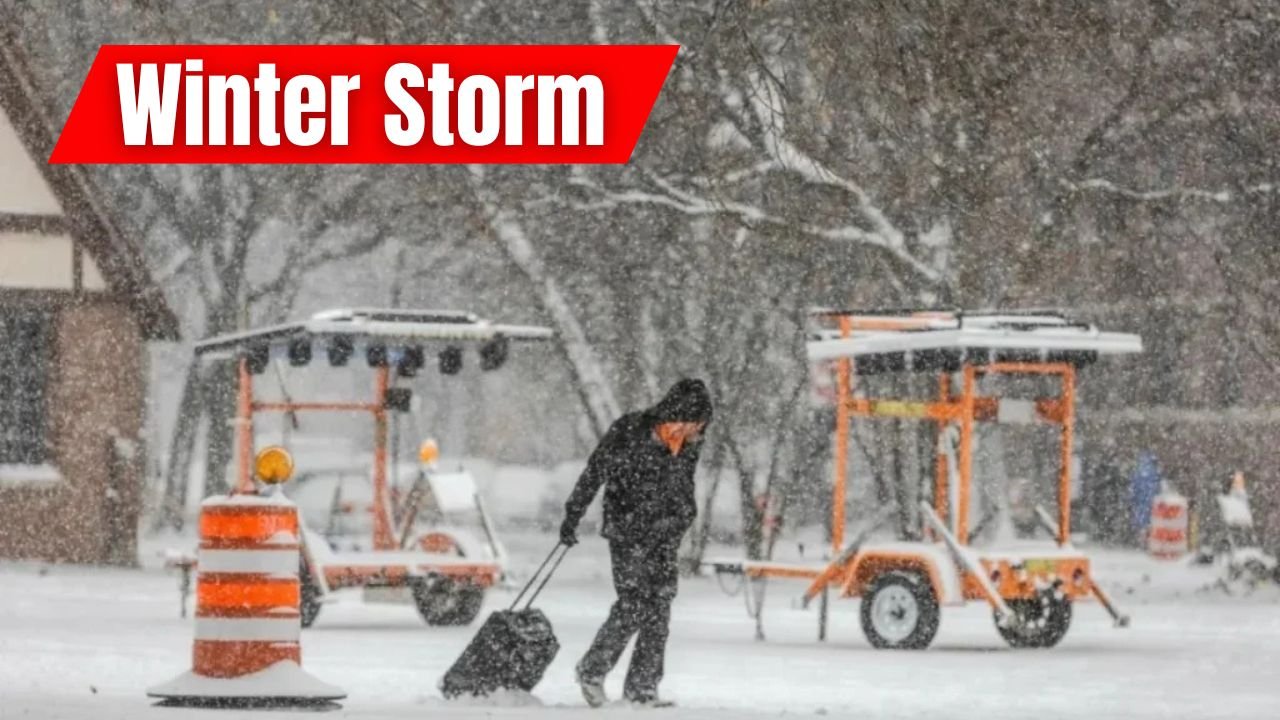
As millions of Americans prepare for the weekend in early December, a powerful winter storm is sweeping across large parts of the country. Severe weather warnings have been issued in six states, raising concerns about significant travel disruptions, power outages, and rapidly deteriorating road conditions. According to the National Weather Service (NWS), the storm will be active from Sunday, December 7th, through Monday, December 8th, bringing heavy snowfall, strong winds, and a sharp drop in temperatures. This is considered one of the most widespread winter weather events of the season so far, with snowfall amounts ranging from light in some areas to over a foot in others.
Unprecedented Simultaneous Weather Alerts in Six States
The most striking aspect of this winter storm is its vast reach. Warnings have been issued simultaneously in geographically diverse states such as Alaska, Illinois, Michigan, South Carolina, Virginia, and Wyoming. Such a large and varied weather system is unusual for early December. Parts of the Midwest are expected to see light snowfall, while Alaska and the Pacific Northwest could experience heavy snow and strong winds. Even in the southeastern states, where early-season snow is rare, measurable snowfall is possible, potentially disrupting daily life. The weather service is urging people to monitor official sources like Weather.gov, as the interaction of Arctic cold air and moisture from the west could lead to changes in the forecast.
Alaska Expected to Receive the Heaviest Snowfall
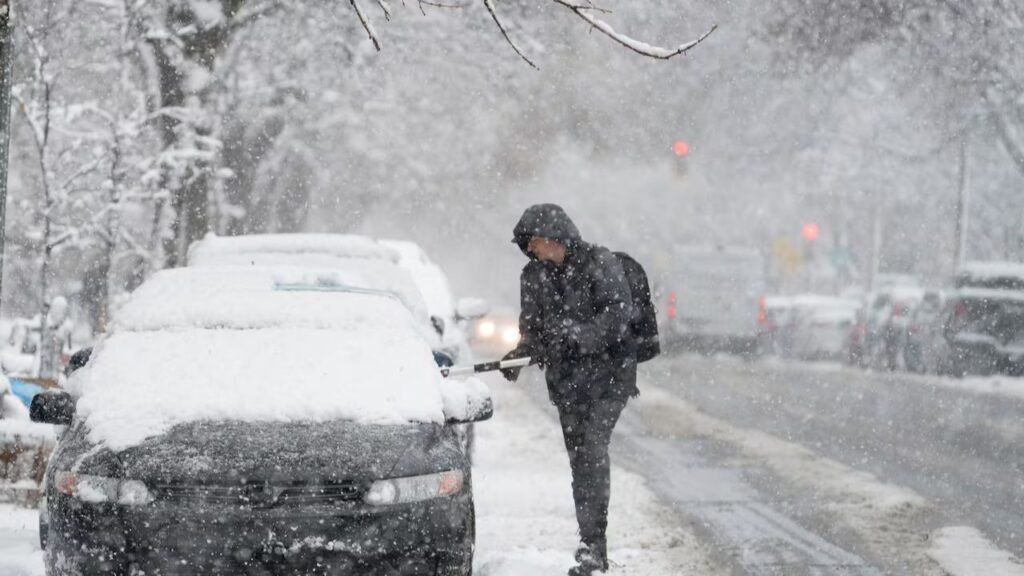
Alaska is expected to be the state most affected by this storm. Areas such as Elfin Cove, Pelican, and Haines are forecast to receive 8 to 12 inches of snow. Winds are also expected to reach speeds exceeding 40 miles per hour, further exacerbating the dangerous conditions. Travel is expected to be extremely hazardous through Monday morning due to icy roads and strong winds. The Arctic front moving south through the Icy Strait corridor could bring multiple waves of heavy snowfall. The NWS office in Juneau has warned that the combination of cold temperatures and deep moisture is creating ideal conditions for significant ice accumulation. The risk of accidents is also increased due to sudden reductions in visibility, and unnecessary travel is advised against.
Rapidly Changing Weather in Wyoming, Michigan, and the Midwest
Wyoming, particularly in the Teton and Gros Ventre mountain ranges, could see up to 10 inches of snow. Heavy snow and strong winds at higher elevations could lead to snow-covered roads and drifts, causing sudden whiteout conditions for drivers. In Michigan, the storm will primarily manifest as lake-effect snow, known for its unpredictable and localized intensity. Central and Western Chippewa County could see up to 6 inches of accumulation. The sudden shifting of lake-effect bands can cause weather conditions to change dramatically in a matter of minutes in the same area, posing a significant hazard to travelers.
Snow in Southeastern States, Greater Impact on Daily Life
In states like South Carolina and Virginia, where snowfall is relatively infrequent, even 2 to 5 inches of snow can cause significant disruption. These areas have limited resources for snow removal, increasing the risk of slippery roads and accidents. A sharp drop in temperatures during Monday morning’s commute could lead to icy conditions. The Blue Ridge Mountains of Virginia are expected to see slightly higher snowfall amounts and stronger winds. Local authorities are already pre-treating major roads and making preparations, while citizens are being advised to be aware of potential delays to schools and services. ### Essential Safety Precautions
While the storm’s impact may vary from state to state, some safety precautions are universally important. Weather conditions can change rapidly, especially in mountainous and lake-effect regions. Visibility can decrease quickly, leading to whiteout conditions. Early season snow and strong winds can make roads icy in an instant. Authorities are urging people to keep emergency kits in their vehicles, ensure their mobile phones are fully charged, and avoid non-essential travel during periods of heavy snowfall.
Call for Vigilance, Winter Weather to Continue
The National Weather Service is urging people to remain “weather aware” throughout the weekend. The agency says that forecasts may change as the system progresses. They advise relying on information from official websites, NOAA Weather Radio, and state emergency management agencies. With the possibility of more cold air arriving next week, this early winter weather could continue to impact many parts of the United States. Caution and preparation are the best ways to stay safe during this cold snap.
FAQs
Q1. Which states are affected by the winter storm?
The storm is impacting Alaska, Illinois, Michigan, South Carolina, Virginia, and Wyoming.
Q2. When is the storm expected to be most severe?
The most intense conditions are expected from Sunday, December 7 through Monday, December 8.
Q3. Which state will receive the heaviest snowfall?
Alaska is forecast to receive the heaviest snow, with some areas seeing up to 12 inches.
Q4. Why is this storm especially concerning for southern states?
Southern states have limited snow-handling infrastructure, so even a few inches can cause major travel disruptions.
Q5. What safety steps should residents take during the storm?
Residents should avoid unnecessary travel, monitor official weather updates, and keep emergency supplies ready.
